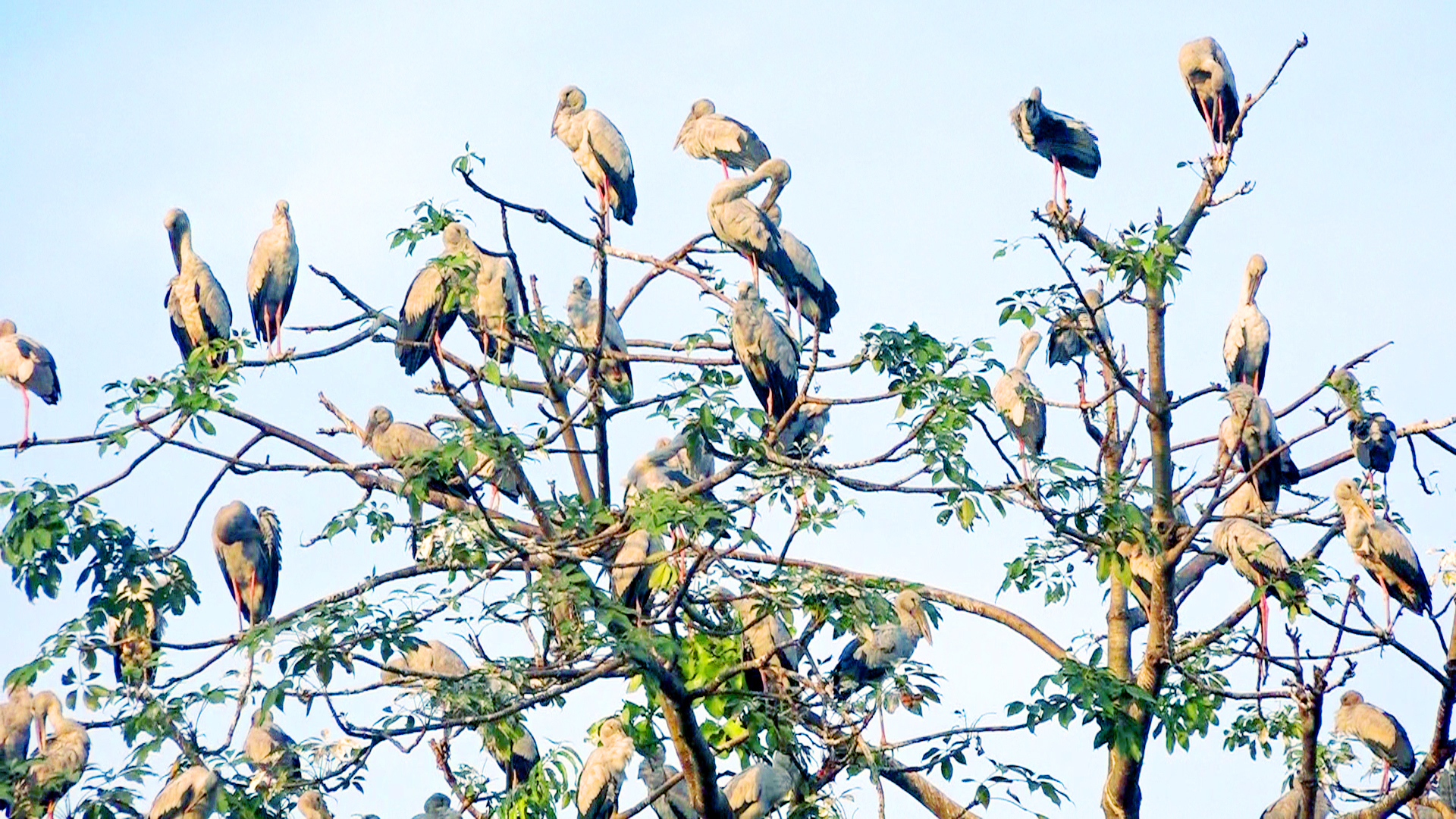
The Sundarbans Bird Sanctuary
The Sundarbans Bird Sanctuary in Bangladesh is a vital part of the Sundarbans mangrove forest, which is the largest tidal halophytic mangrove ecosystem in the world. It is a UNESCO World Heritage Site and a crucial habitat for a wide variety of resident and migratory bird species. This sanctuary plays a significant role in the conservation of avian biodiversity and serves as an important stopover for birds migrating along the East Asian-Australasian Flyway.
❑ Geographical Location and Ecosystem:
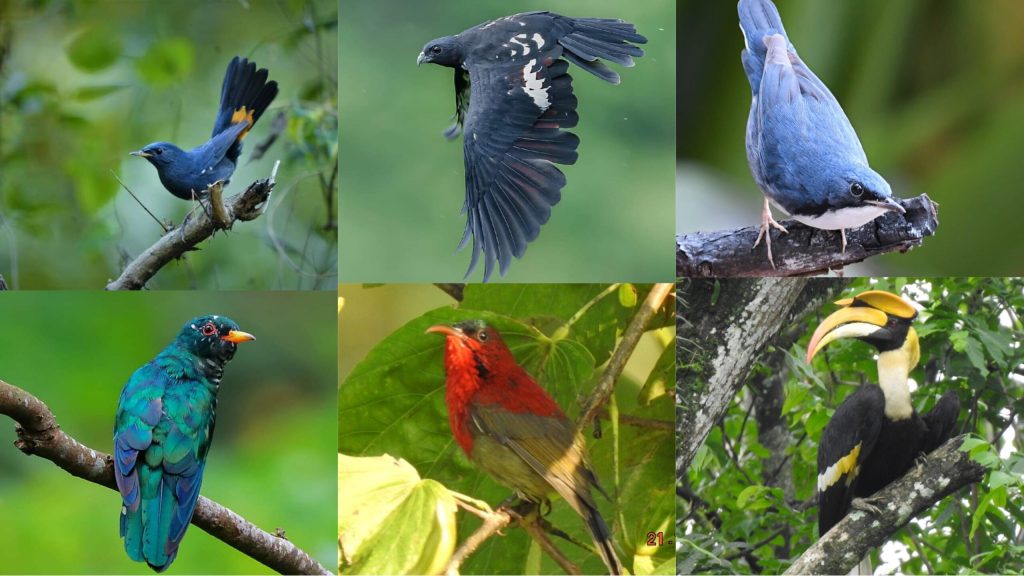
The Sundarbans Bird Sanctuary is located in the southwestern region of Bangladesh, covering the Khulna, Bagerhat, and Satkhira districts. This region is characterized by an intricate network of tidal rivers, estuaries, mudflats, and dense mangrove forests, providing an ideal environment for a wide variety of bird species. The ecosystem is unique due to the interaction between freshwater from the Ganges, Brahmaputra, and Meghna Rivers and the saline water from the Bay of Bengal. The mangrove forests serve as a breeding and feeding ground for numerous birds, supporting an intricate food web that sustains raptors, waders, shorebirds, and forest-dwelling species.
❑ Avian Diversity in the Sundarbans:
The Sundarbans Bird Sanctuary is home to more than 300 species of birds, making it a paradise for birdwatchers, nature lovers, and ornithologists. Some of the most significant bird species found in this sanctuary include:
1) Kingfishers:
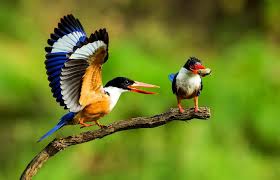
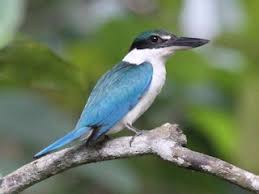
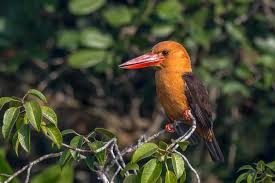
🔹 Brown-winged Kingfisher (Pelargopsis amauroptera) – A rare species found in the Sundarbans.
🔹 Collared Kingfisher (Todiramphus chloris) – Common along the waterways.
🔹 Black-capped Kingfisher (Halcyon pileata) – Seen perching near riverbanks.
2) Herons, Egrets, and Storks:

🔹 Grey Heron (Ardea cinerea) – Frequently found near mudflats.
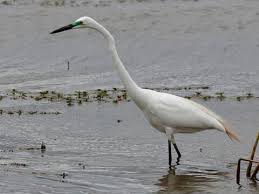
🔹 Great Egret (Ardea alba) – A large, elegant white bird.
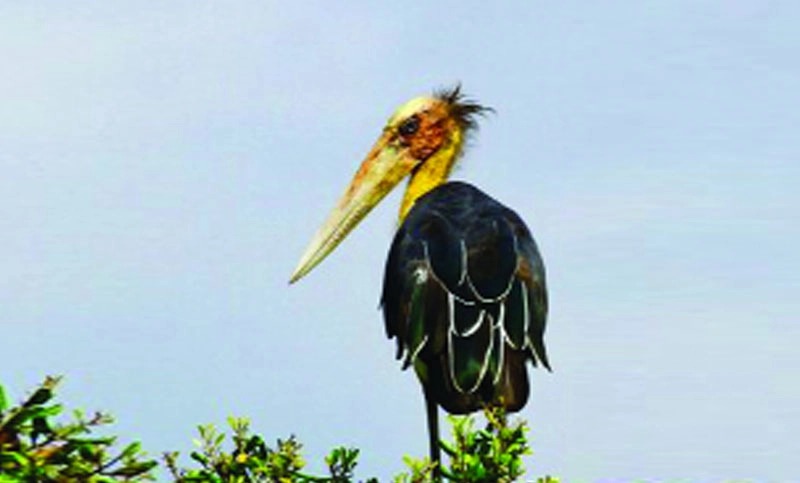
🔹 Lesser Adjutant Stork (Leptoptilos javanicus) – A threatened species residing in the wetlands.
3) Raptors (Birds of Prey):
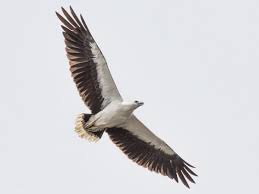
🔹 White-bellied Sea Eagle (Haliaeetus leucogaster) – A majestic eagle that hunts in coastal areas.
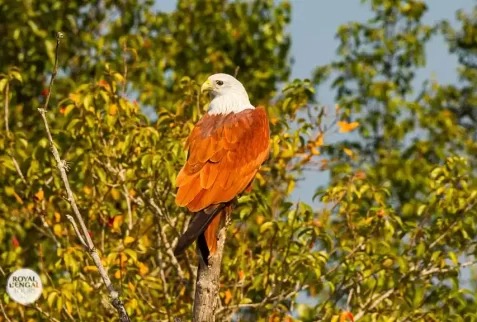
🔹 Brahminy Kite (Haliastur indus) – Often seen soaring over rivers and estuaries.
4) Waders and Shorebirds:
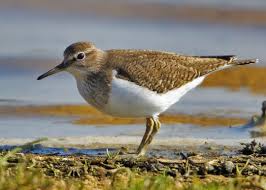

🔹 Common Sandpiper (Actitis hypoleucos) – A frequent visitor along the tidal flats.
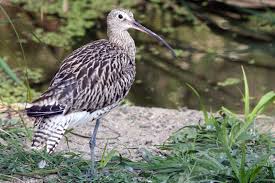
🔹 Eurasian Curlew (Numenius arquata) – A long-billed shorebird found near estuaries.
🔹 Whimbrel (Numenius phaeopus) – Another migratory bird seen along mudflats.
5) Rare and Endangered Birds:
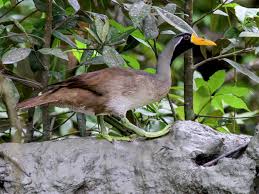
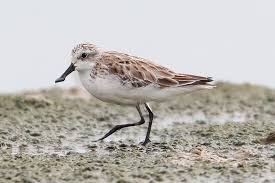
🔹 Masked Finfoot (Heliopais personatus) – One of the most elusive and endangered species found in the Sundarbans.
🔹Spoon-billed Sandpiper (Calidris pygmaea) – A critically endangered species that visits during migration.
❑ Migration Patterns and Bird Watching Opportunities:

The Sundarbans Bird Sanctuary serves as a major wintering ground for migratory birds from Siberia, Central Asia, and Europe. These birds arrive in the sanctuary between November and March, adding to its avian richness. For birdwatching enthusiasts, the best locations within the Sundarbans include:
🔹 Kotka – A prime spot for spotting raptors and wading birds.
🔹 Hiron Point – A well-known area for sighting endangered species like the Masked Finfoot.
🔹 Dubla Island – An important location for shorebirds and migratory species.
Boat safaris and eco-tourism initiatives provide opportunities to explore these remote areas and observe the birds in their natural habitat
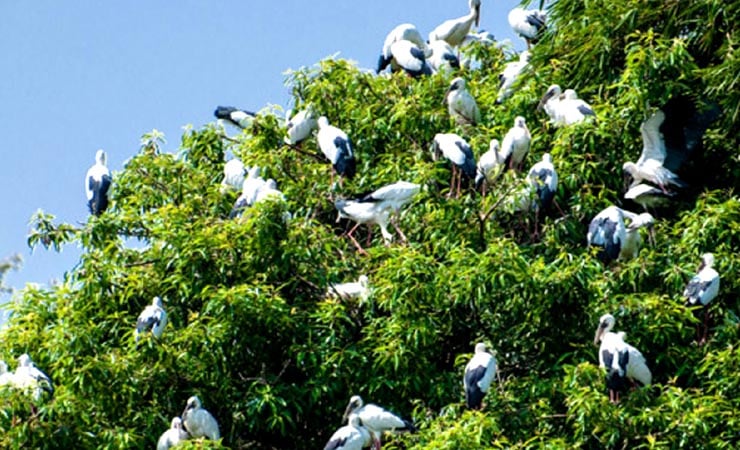
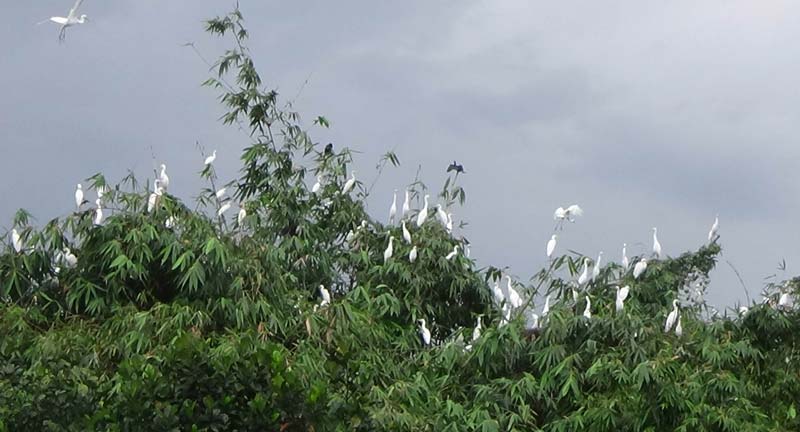
The Sundarbans Bird Sanctuary is a vital refuge for a diverse range of birds, including some of the rarest and most endangered species in the world. Its unique ecosystem, formed by the convergence of land and water, makes it an irreplaceable habitat for both resident and migratory birds. To ensure the survival of the bird populations in the Sundarbans, sustainable conservation efforts must be reinforced. Through responsible tourism, scientific research, and strict environmental protection, this sanctuary can continue to serve as a haven for avian biodiversity for generations to come.


 5,000 tk
 2 Days - 3 Nights