The Animal World in Sundarbans
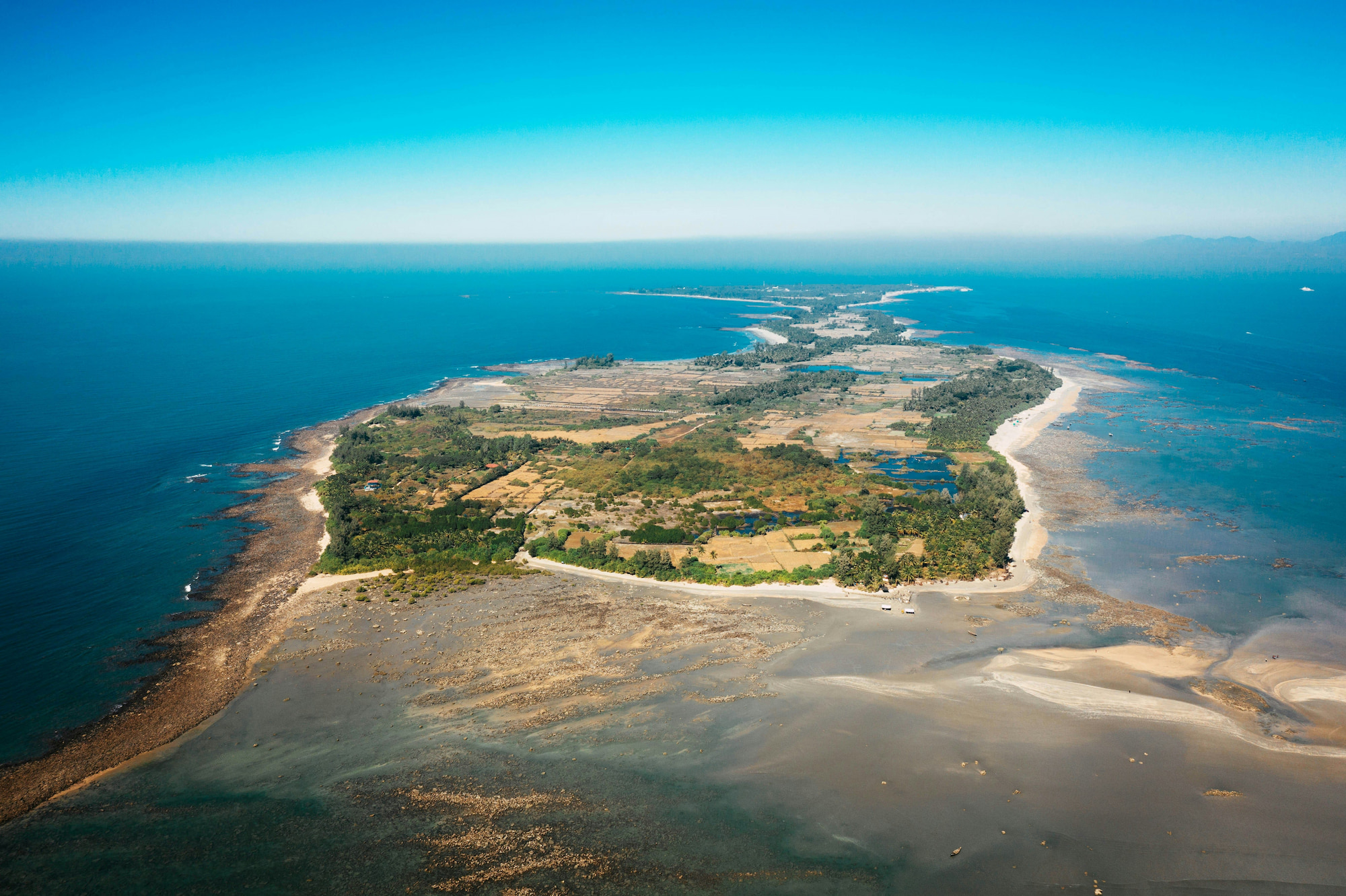
The Sundarbans of Bangladesh is the largest mangrove forest in the world, covering approximately 6,017 square kilometers and forming a vital part of the delta where the Ganges, Brahmaputra, and Meghna rivers meet the Bay of Bengal. This vast and biodiverse ecosystem is home to an incredible range of wildlife, making it one of the most important natural habitats in the world. Designated as a UNESCO World Heritage Site, the Sundarbans of Bangladesh supports various endangered species, including the Royal Bengal Tiger, Ganges River Dolphin, and Saltwater Crocodile. The intricate network of rivers, estuaries, and dense mangrove forests provides shelter, food, and breeding grounds for countless species, making it one of the most significant ecological regions on the planet.
The Royal Bengal Tiger:
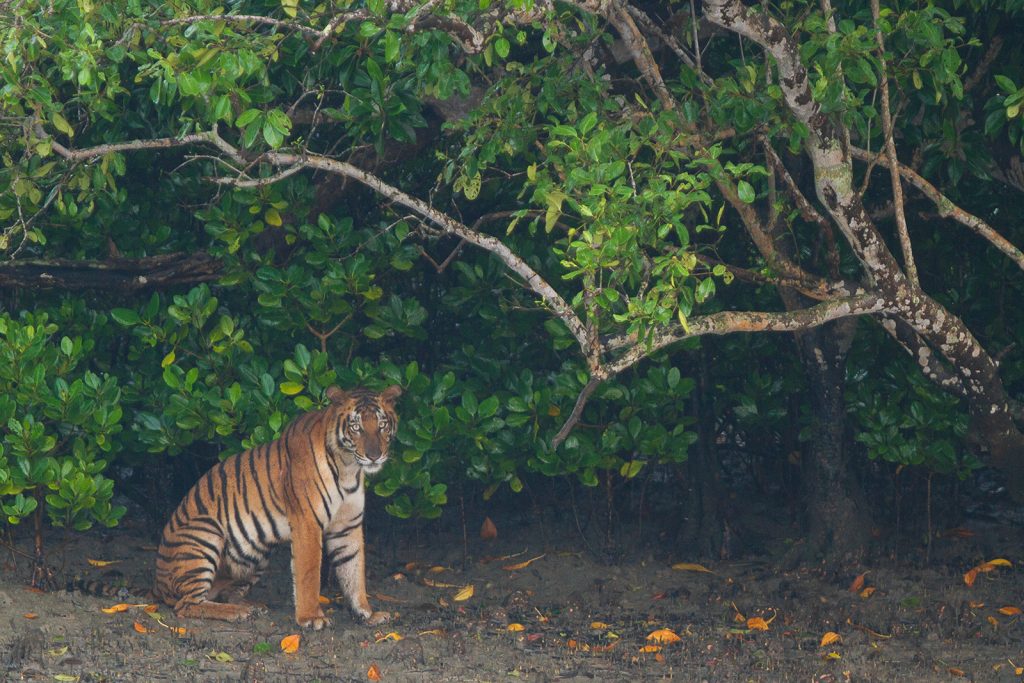
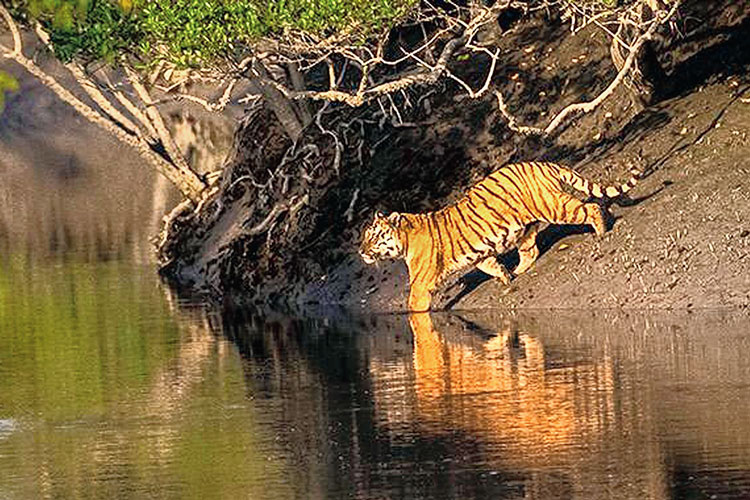
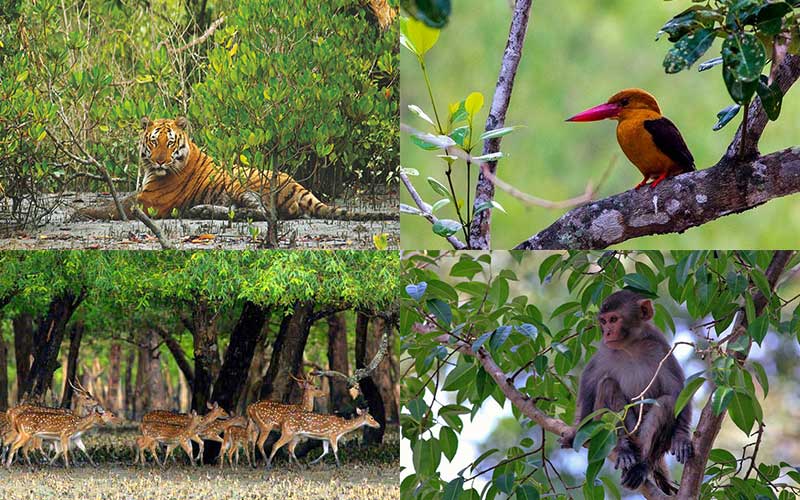
The Royal Bengal Tiger (Panthera tigris tigris) is the most iconic species in the Bangladeshi Sundarbans. With an estimated 114-130 tigers roaming the forests, this population represents one of the largest groups of wild tigers in the world. Unlike tigers in other regions, those in the Sundarbans have adapted to a mangrove ecosystem, making them excellent swimmers. They rely on the dense vegetation and muddy terrain for camouflage while hunting. Their primary prey includes Spotted Deer, Wild Boars, and even fish. However, human-wildlife conflict remains a serious challenge, as tigers sometimes stray into villages in search of food, leading to encounters with local communities.
Mammals of the Sundarbans:
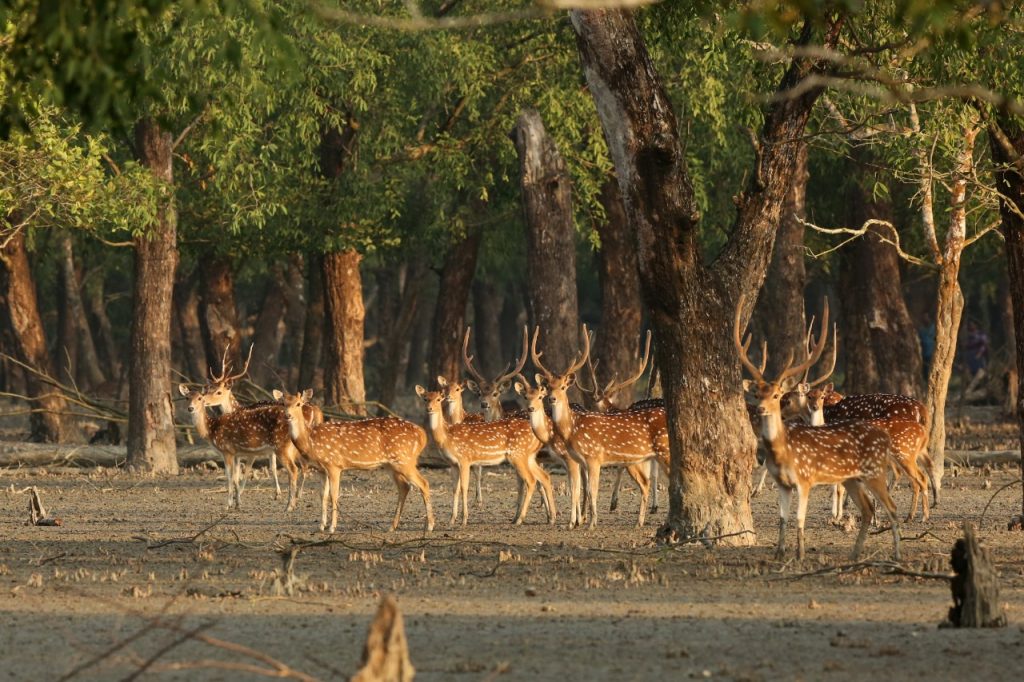
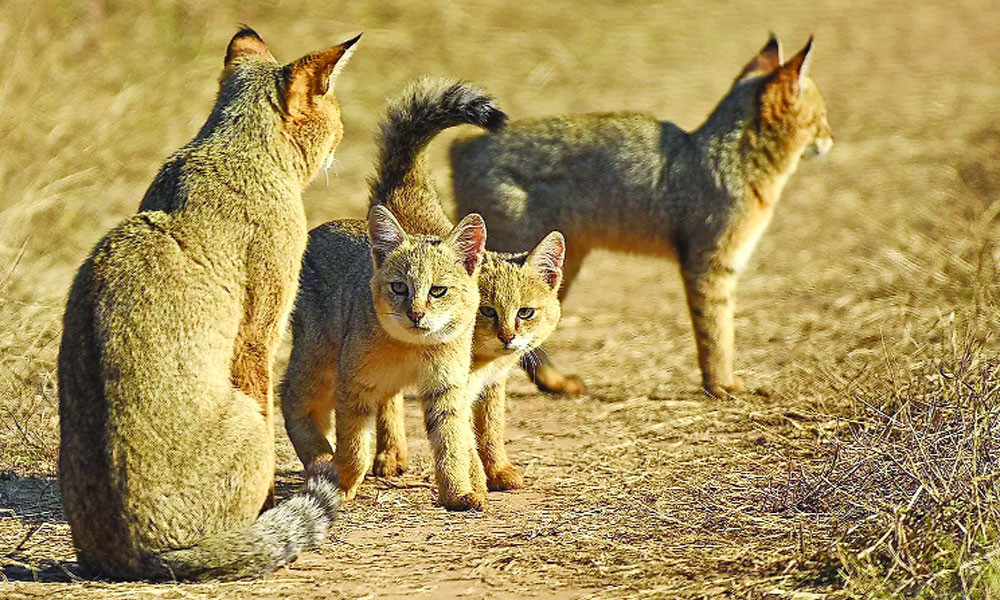
The Sundarbans of Bangladesh hosts a diverse range of mammals that play crucial roles in the ecosystem:
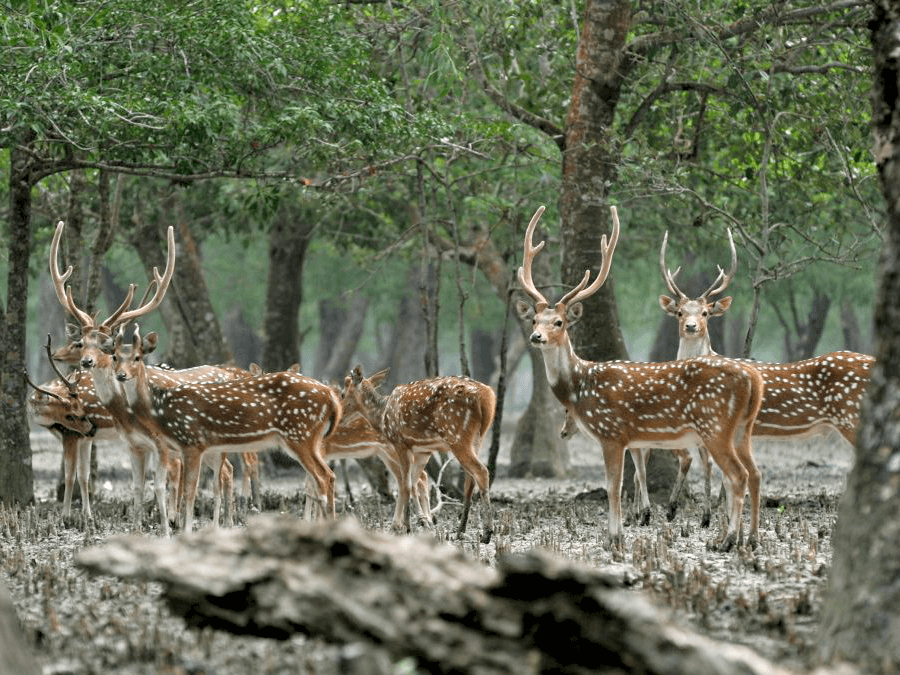
❑ Spotted Deer (Chital): The most common prey for tigers, they graze in groups and contribute to seed dispersal in the forest.
❑ Indian Fishing Cat: This nocturnal predator is an expert swimmer and hunts fish, crustaceans, and small mammals.
❑ Rhesus Macaque: A highly adaptable primate species that plays an essential role in dispersing seeds and maintaining forest regeneration.
❑ Leopard Cat: A small but elusive predator that hunts rodents, birds, and amphibians, helping to control pest populations.
❑ Wild Boar: Known for their aggressive nature, they feed on roots, insects, and small vertebrates, contributing to the balance of the ecosystem.
Reptiles of the Sundarbans:

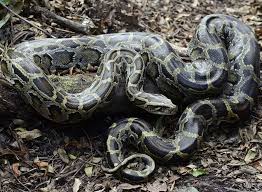
Reptiles thrive in the brackish water and muddy environment of the Sundarbans. Some of the most significant species include:
❑ Saltwater Crocodile (Crocodylus porosus): One of the largest reptiles on Earth, these formidable predators are found in the estuarine waters of the Sundarbans, preying on fish, birds, and even mammals.
❑ King Cobra (Ophiophagus hannah): The world’s longest venomous snake, it preys on other snakes and plays a crucial role in maintaining the balance of the food chain.
❑ Water Monitor Lizard (Varanus salvator): A semi-aquatic reptile often seen hunting for fish, amphibians, and small mammals.
❑ Olive Ridley Turtle & Green Sea Turtle: These sea turtles visit the shores of the Sundarbans for nesting, contributing to marine biodiversity.
Birdlife in the Sundarbans:
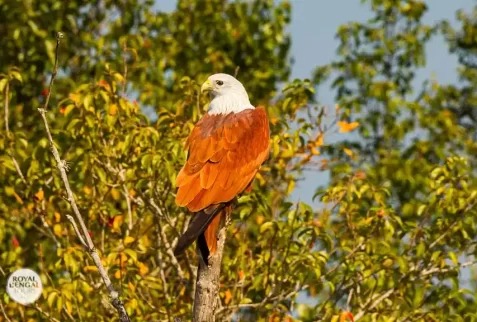

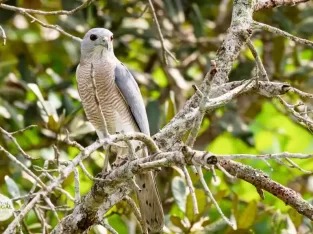
With over 300 species of birds, the Sundarbans of Bangladesh is a paradise for birdwatchers and ornithologists. Some of the most notable species include:
❑ Lesser Adjutant Stork: A large wading bird found in wetlands and estuaries.
❑ White-bellied Sea Eagle: A majestic raptor that preys on fish and small mammals.
❑ Black-capped Kingfisher & Brown-winged Kingfisher: Colorful birds commonly seen along riverbanks, feeding on fish and crabs.
❑ Egrets, Herons, and Flamingos: These birds thrive in the wetlands and mudflats, playing a key role in the ecosystem.
❑ Migratory Birds: The Sundarbans serves as a winter home for migratory birds such as Siberian Cranes, Pintail Ducks, and Sandpipers, which travel thousands of kilometers from colder regions.
Marine and Aquatic Life:
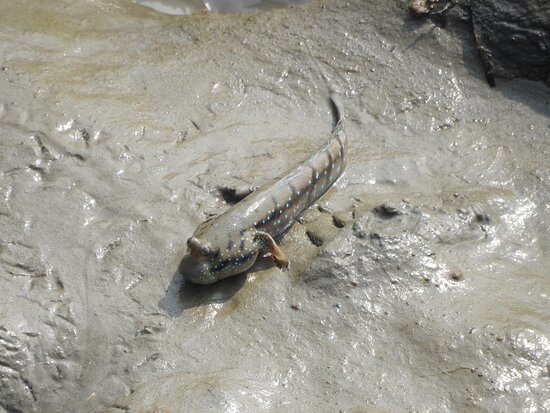
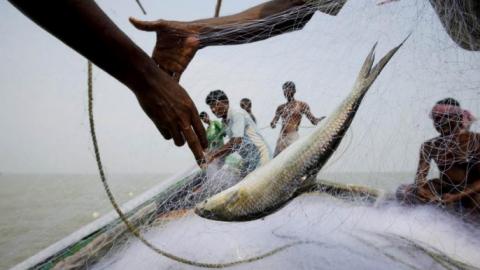
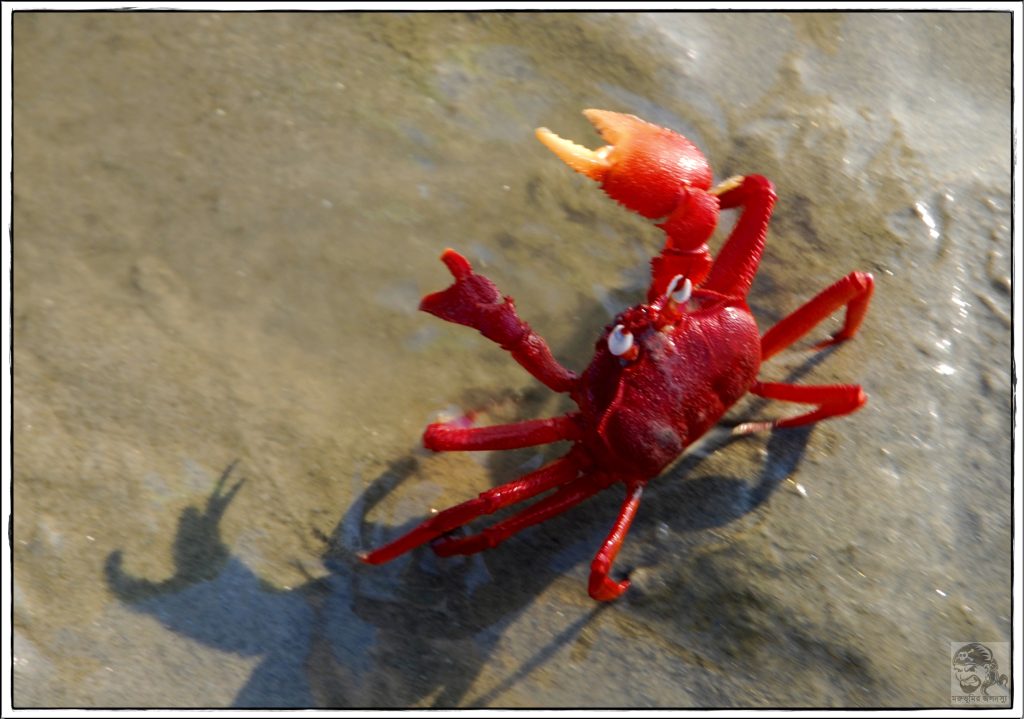
The Sundarbans is home to a diverse array of marine and freshwater species that sustain the local fishing industry:
❑ Ganges River Dolphin (Platanista gangetica): This rare and endangered freshwater dolphin is an indicator of the river’s health and ecosystem balance.
❑ Mudskipper Fish: An amphibious fish that thrives in the mangrove ecosystem, capable of surviving both in water and on land.
❑ Hilsa Fish (Tenualosa ilisha): The national fish of Bangladesh, which plays a vital role in the economy and local diet.
❑ Various species of crabs, mollusks, and shrimp, essential for both the ecosystem and the livelihoods of local fishermen.
Ecological Importance of the Sundarbans:
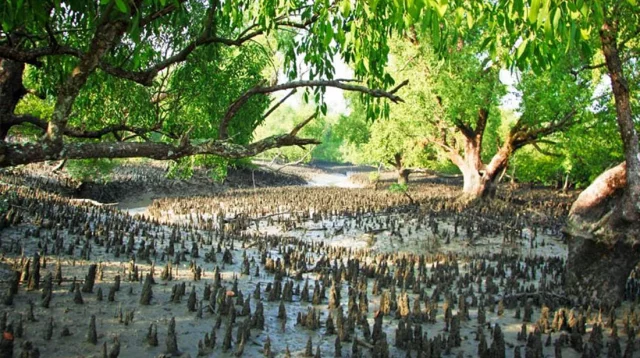
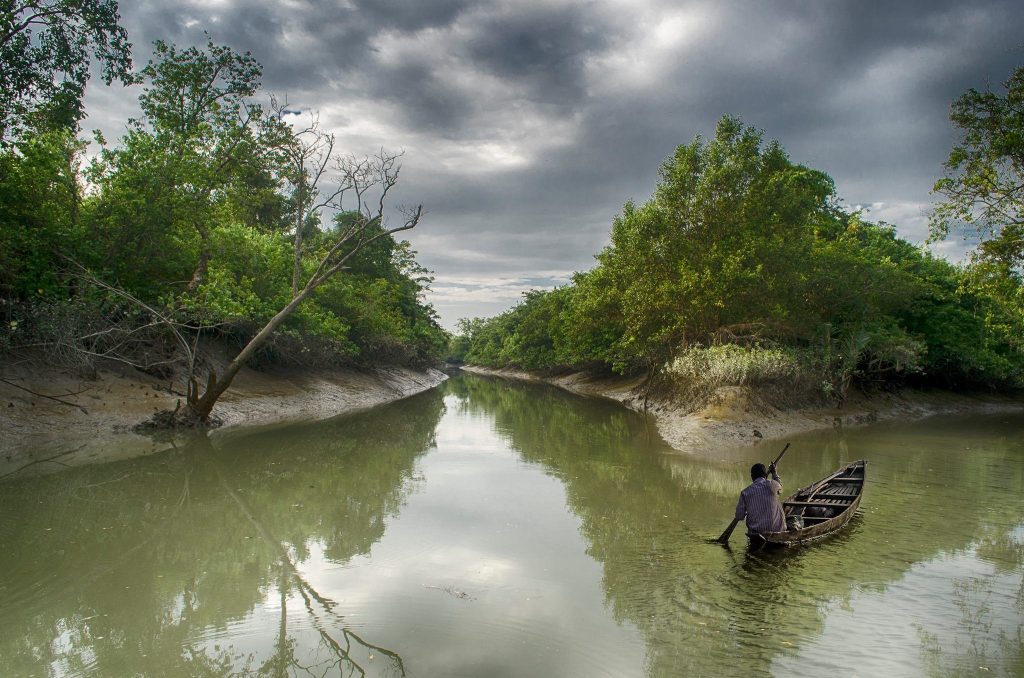
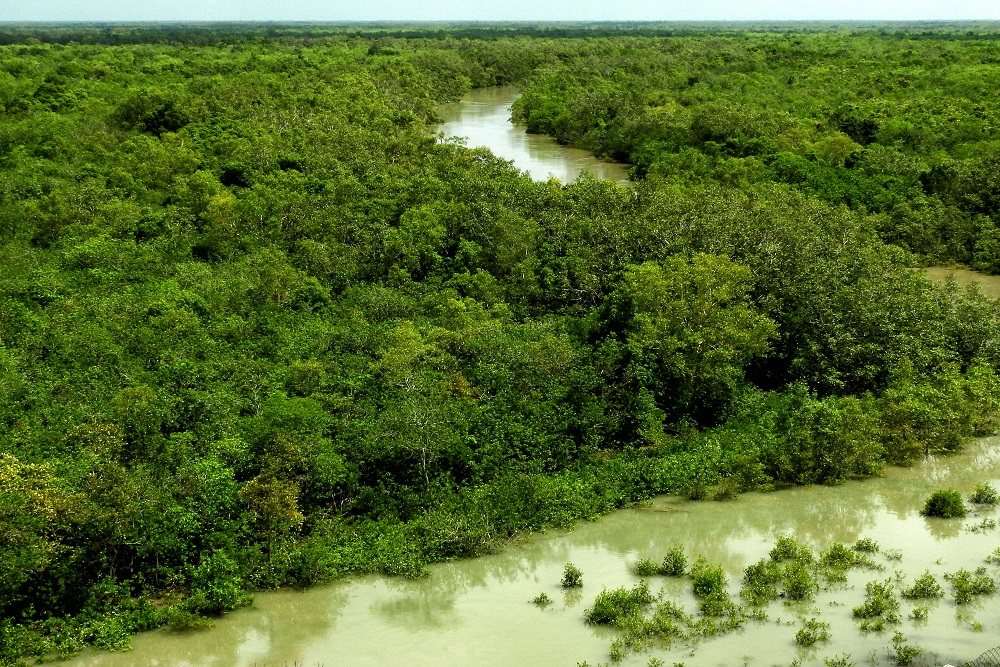
The Sundarbans of Bangladesh plays a crucial role in the global and regional environment:
❑ Natural Barrier Against Disasters: The dense mangrove forests protect coastal communities from cyclones, tsunamis, and storm surges.
❑ Carbon Sequestration: Mangroves act as carbon sinks, absorbing large amounts of CO₂ and mitigating climate change.
❑ Water Filtration: The mangrove roots trap sediments and pollutants, improving water quality and preventing soil erosion.
❑ Biodiversity Hotspot: The Sundarbans supports thousands of species, maintaining the balance of both terrestrial and aquatic ecosystems.
❑ Livelihood Support: Local communities depend on the Sundarbans for fishing, honey collection, and ecotourism.

The Sundarbans of Bangladesh is a natural wonder that supports a vast array of wildlife, including the Royal Bengal Tiger, Ganges River Dolphin, and Saltwater Crocodile. This unique ecosystem not only protects coastal communities but also plays a vital role in climate regulation, biodiversity conservation, and local livelihoods. However, climate change, habitat destruction, and poaching pose significant threats to its survival. Strong conservation measures, community engagement, and sustainable development practices are essential to preserve this priceless treasure for future generations.
 5,000 tk
 2 Days - 3 Nights